OWLS
Hoo-hoo, kew-wick
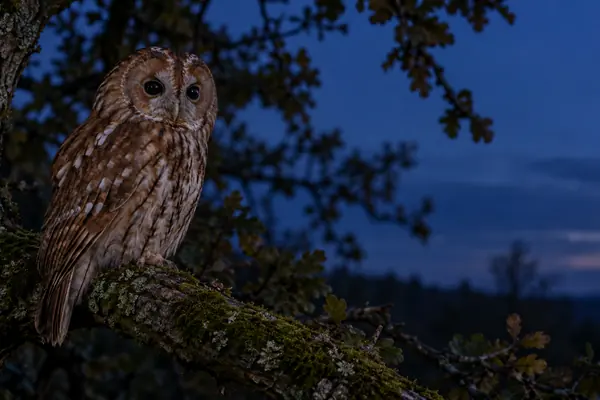
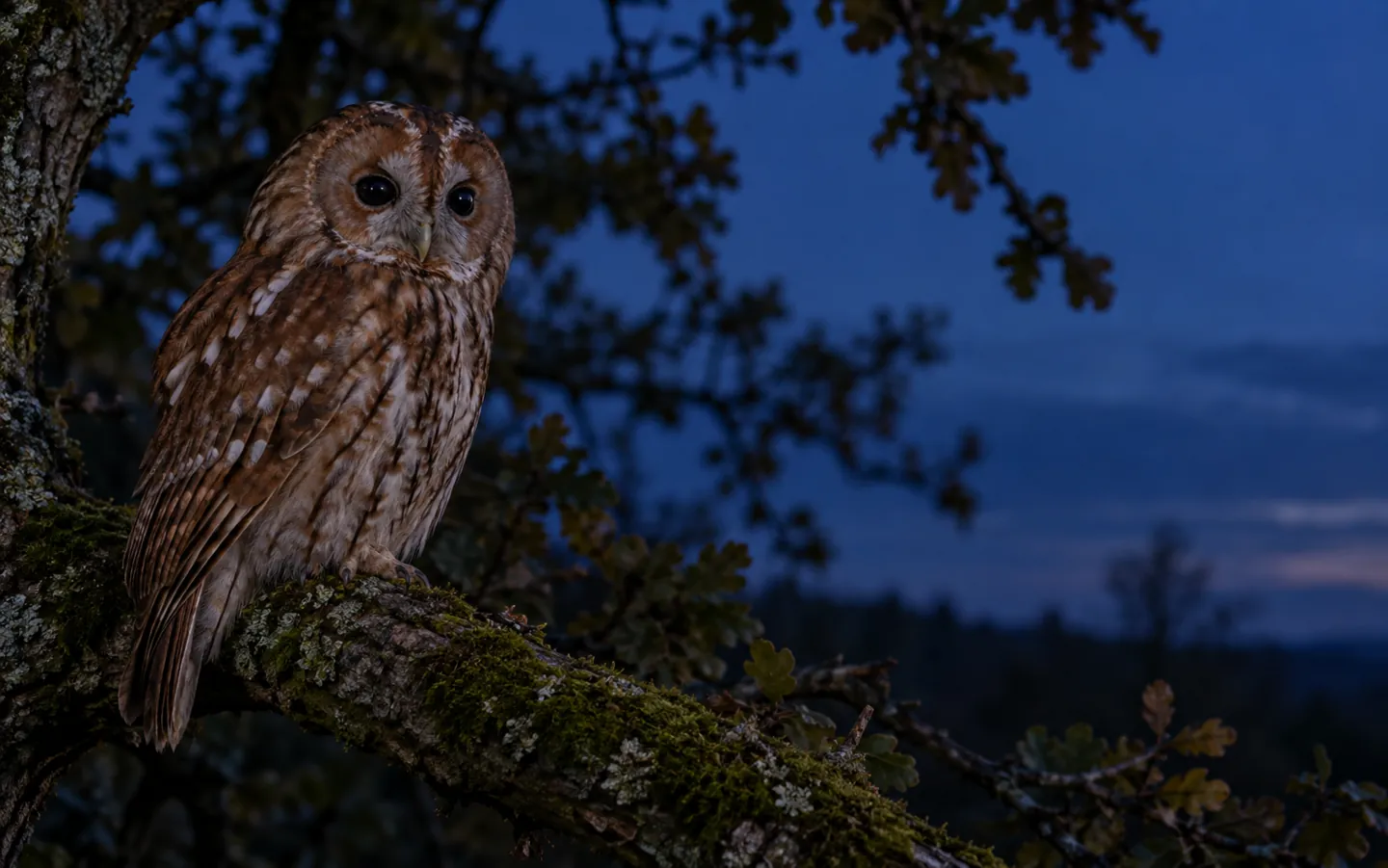
The Woodland Trust says the male tawny owl gives the 'hoo-hoo-hoo-hoo' call and the female answers with a shrill 'kew-wick'.
Name that sound doodlenights
LISTENING AFTER DARK
Not every bird goes quiet when the sun goes down.
10 dB louder days, night-singing robins
≈ 10 dB Noisier days where robins sang at night
Britain's nights have their own soundtrack: a tawny owl's hoot, a nightjar's churr, the rich song of a nightingale. And in towns, often a robin. A Sheffield study found city robins sang at night where days were noisy.
THE SHORT ANSWER
A handful of birds make most of the night's music.
Each has a sound you can learn.
OWLS
The Woodland Trust says the male tawny owl gives the 'hoo-hoo-hoo-hoo' call and the female answers with a shrill 'kew-wick'.
Name that soundTOWNS
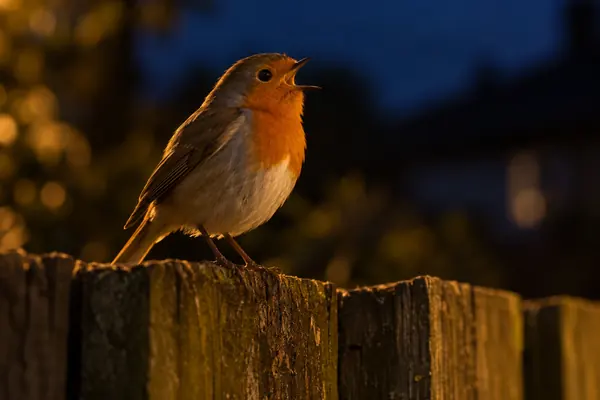
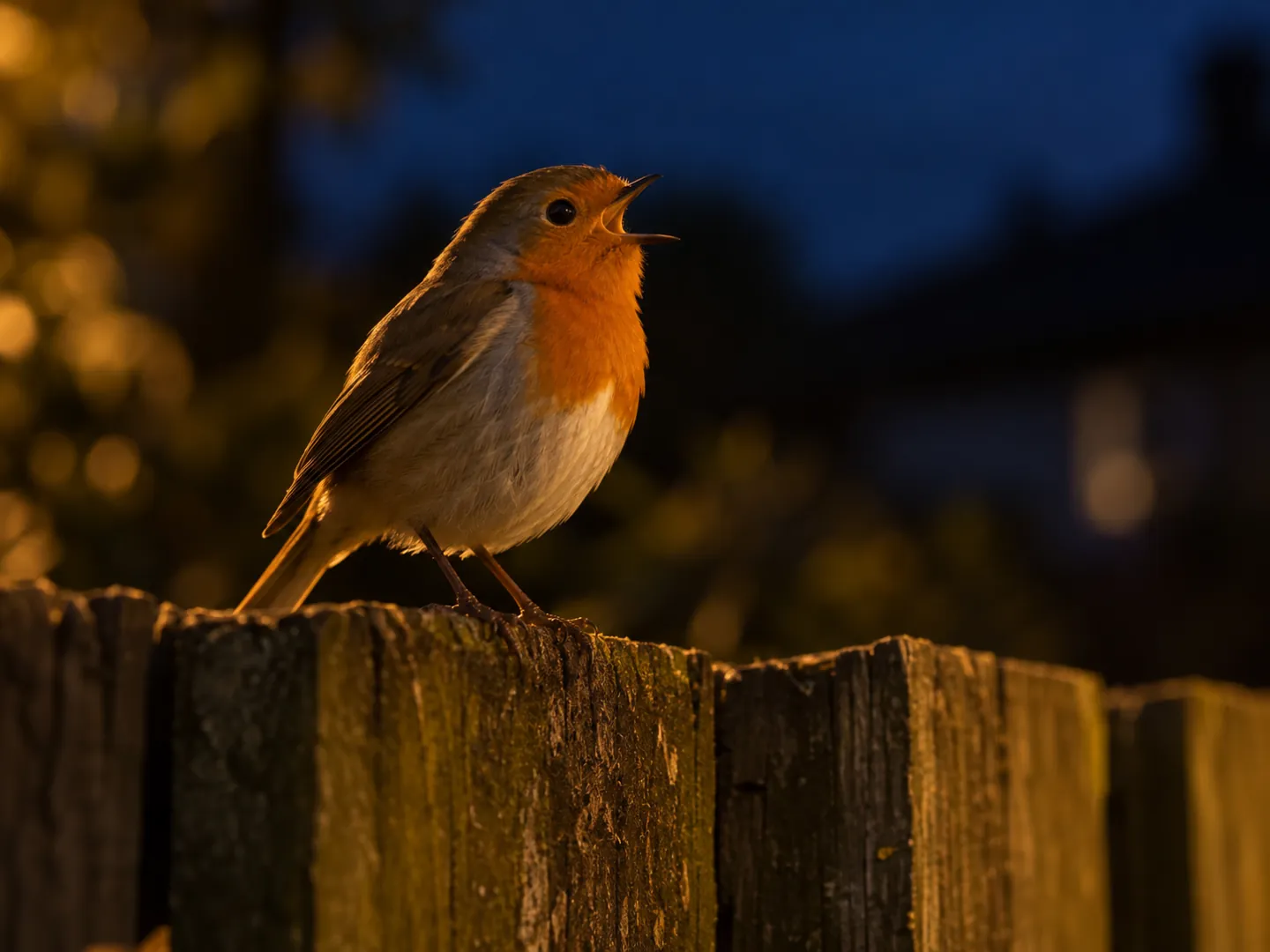
RSPB says robins sing at night next to street lights. A Sheffield study found daytime noise predicted night singing better than light did.
See the studyHEATHS
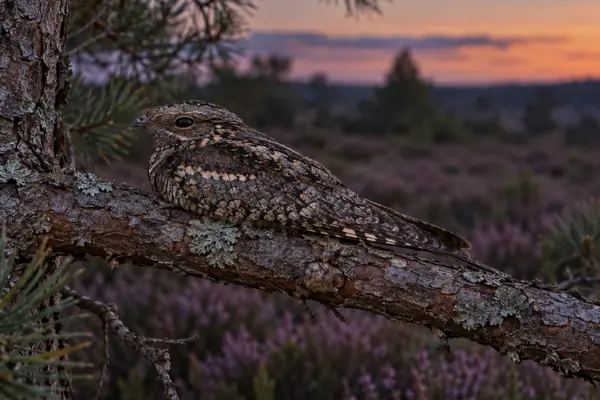
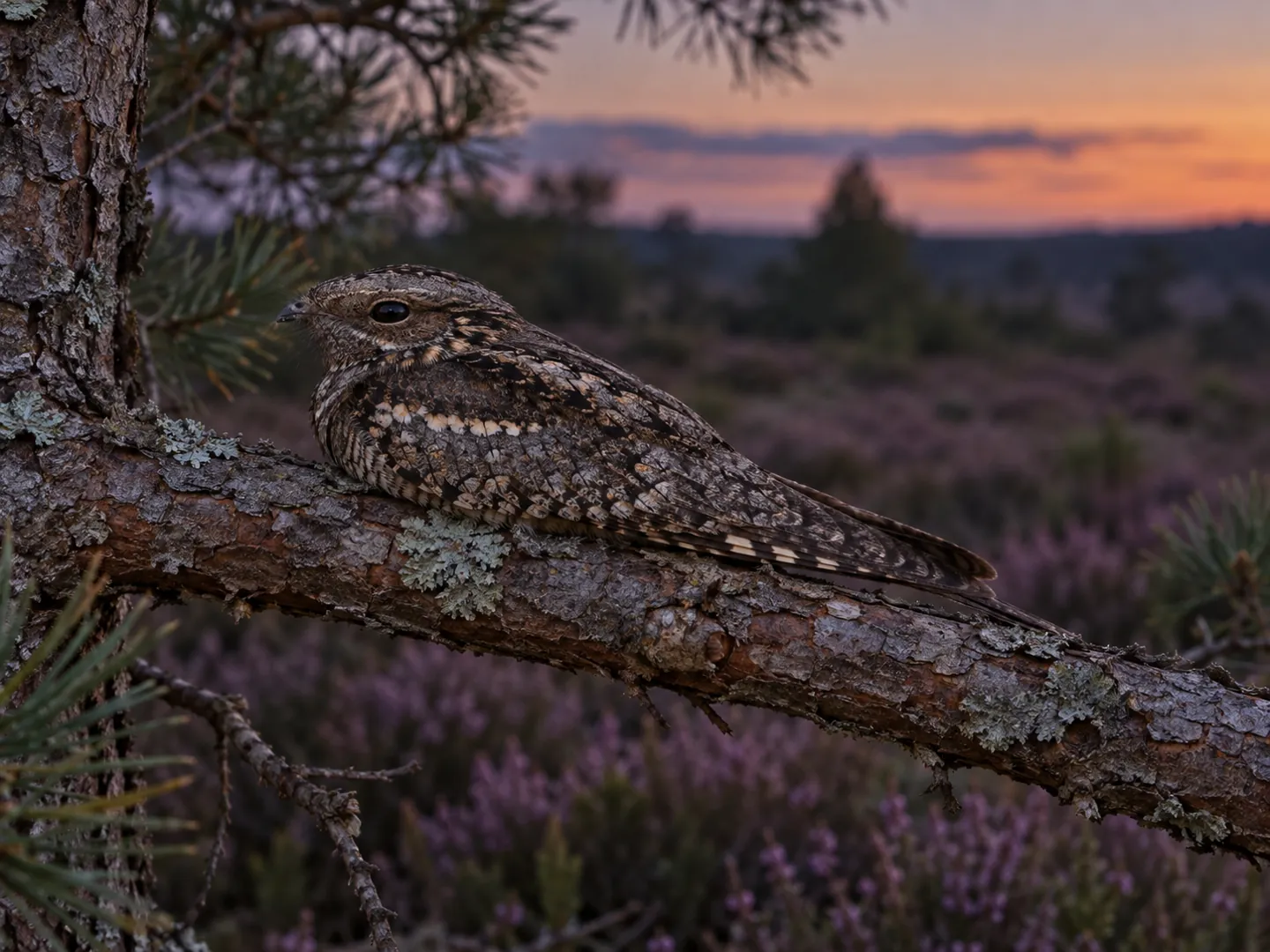
Nightjars hunt at dusk and dawn. The first sign of one is usually the male's rising and falling churring song, RSPB says.
Where to listenA QUICK SOUND CHECK
Pick a sound to see which bird is likely making it and how it is faring in the UK. The bar shows its level of conservation concern.
Based on RSPB species pages and the Woodland Trust. Conservation lists are the UK Birds of Conservation Concern.
WHERE TO LISTEN
You do not need to see these birds. Most are easier to hear, and each has its own habitat and season.
Tawny owls live in broadleaved woodland and in parks and gardens with mature trees. Listen for hoots and kew-wicks.
Nightjars arrive in late April and May to breed on heaths, moors and clearings, and most leave by September.
Nightingales are very local, mainly in woodland and scrub in southern and eastern England.
On a quiet night in town, a song near a street lamp is often a robin defending its territory.
TWO NUMBERS WORTH KNOWING
One figure from a city study,
one from a rare songbird.
≈ 10 dB
Noisier days where robins sang at night
Across 121 sites in Sheffield, daytime noise was about 10 dB higher where robins also sang at night. Night-time light was a much weaker predictor.
CITY ROBINS · SHEFFIELD STUDY
≈ 6,700
Breeding males left in the UK
Nightingales are on the Red List of Birds of Conservation Concern. Your best chance of hearing one is south of the Severn-Wash line.
NIGHTINGALES · RSPB
The study (Fuller, Warren and Gaston, Biology Letters, 2007) found night noise averaged 49 dB against 57 dB by day, suggesting robins may use quieter hours to be heard.
WHY SING AT NIGHT?
Night singing in city birds is often blamed on streetlights. The Sheffield researchers found daytime noise was a much stronger predictor than light: robins sang at night where days were noisiest.
Robins sing at 2 to 9 kHz, and urban noise sits at the low end of that range. The authors note that singing at night has a cost, raising metabolic rate well above sleep, so shifting song into quieter hours is not a free choice.
Questions
In towns it is often a robin. RSPB says robins will sing at night next to street lights, and a Sheffield study found they were more likely to sing at night where daytime noise was high.
By the call. The Woodland Trust says the male gives a 'hoo-hoo-hoo-hoo' call and the female answers with a shrill 'kew-wick'. Females are also bigger: males are around 25% smaller.
On heathland in summer, probably a male nightjar. RSPB says the first sign a nightjar is near is usually the male's churring song, rising and falling.
RSPB says your best chance is in woodland and scrub in southern and eastern England, mainly south of the Severn-Wash line. Only around 6,700 breeding males remain in the UK.
Yes. RSPB says the UK's most common owl declined by more than 40% between 1995 and 2023 and is now Amber-listed. The reasons are not yet known, though habitat loss and a lack of prey may play a part.
Updated
ABOUT THIS NAME
doodlenights.com is part of the DoodleSale portfolio. It isn't in an auction right now, but you can ask about leasing it.